The Dawn of the Omnichannel Enterprise in 2026
In the rapidly evolving landscape of B2B digital commerce, flexibility is the ultimate currency. The days of rigid, page-centric monolithic systems are firmly behind us. As we navigate through 2026, enterprise brands operating across North America, Europe, and the MENA region face a synchronized challenge: delivering instantaneous, hyper-localized content to an ever-expanding matrix of devices.
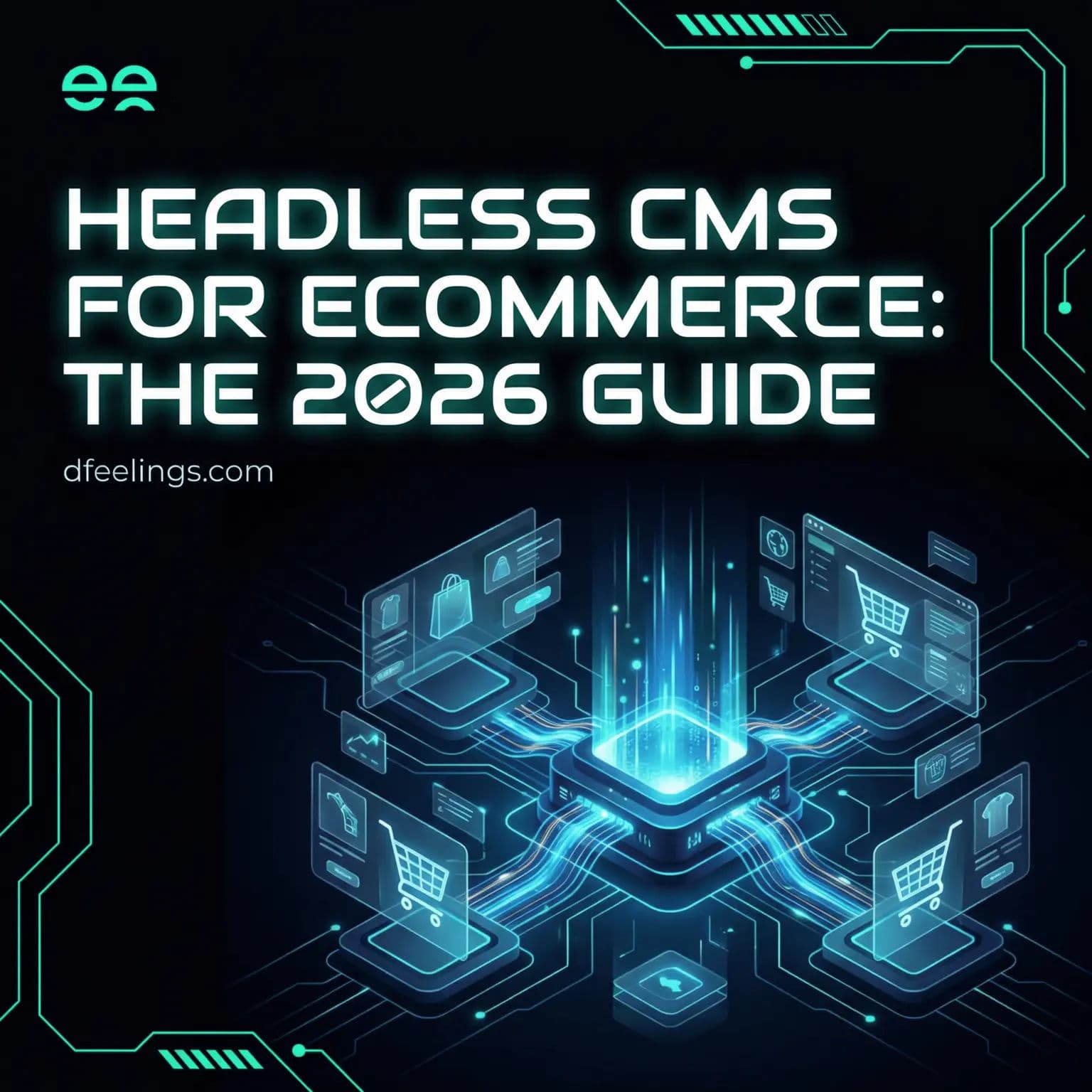
This is where the API-first CMS and headless architecture step into the spotlight. By separating the content repository (the "body") from the presentation layer (the "head"), organizations are unlocking unprecedented operational agility. Content is no longer trapped in silos; it flows dynamically to web applications, wearable tech, smart displays, and immersive enterprise portals.

Why Headless CMS Has Grown Up
For a time, headless architecture was considered a niche technical choice for bleeding-edge startups. By 2026, however, the ecosystem has fully matured into an enterprise staple. The conversation has shifted from "Should we go headless?" to "How quickly can we transition to an API-first strategy?"
Decoupling for Limitless Scale
When you adopt an API-first approach, your content becomes pure, agnostic data. This decoupling yields massive technical and marketing advantages:
- Omnichannel Readiness: Push the same raw content to an iOS app in the US, an Arabic-localized web dashboard in Dubai, and a smart kiosk in Berlin—all simultaneously.
- Framework Freedom: Your engineering teams can utilize the fastest, most secure frontend technologies available in 2026 without worrying about breaking the backend.
- Enhanced Security: By isolating the CMS from the frontend, the attack surface is significantly reduced, meeting the stringent compliance demands of modern enterprise IT.
"An API-first architecture doesn't just manage content; it liberates it, transforming data into a dynamic asset that moves at the speed of global business."
API-First vs. Monolithic: The 2026 Standard
Legacy monolithic platforms dictate how content should look, inextricably linking design to data. This forces developers to use outdated templating engines and severely bottlenecks international marketing teams trying to launch rapid campaigns. Conversely, an API-first CMS prioritizes content delivery via powerful APIs (like GraphQL and REST), putting the focus entirely on structured data.
By standardizing around APIs, cross-functional teams operate in parallel. Marketers can build and optimize content structures, while developers concurrently engineer stunning, high-performance interfaces. This parallel workflow is defining the most successful digital strategies in 2026.

Core Benefits for International Markets (US, Europe, MENA)
Scaling a digital strategy internationally introduces immense complexity regarding language, culture, and device preference. Headless architecture solves these pain points natively.
Unmatched Agility Across Borders
In regions like the MENA market, right-to-left (RTL) language formatting and strict data sovereignty laws require distinct frontend configurations. An API-first CMS allows developers to build entirely separate frontend architectures tailored to local cultural aesthetics and legal frameworks, while global brand consistency is maintained in the centralized backend.
Future-Proofing Web Development
As one of the most defining web development trends of 2026, future-proofing is paramount. Because the frontend is decoupled, replacing it when faster technologies emerge requires zero migration of the actual content database. Enterprises save millions in redevelopment costs, retaining a competitive edge in volatile global markets.
Optimizing Your Digital Strategy with Headless Architecture
Transitioning to an API-first CMS requires a shift in organizational mindset. Content must be modeled structurally rather than visually. However, the payoff is an infinitely scalable, hyper-secure digital ecosystem capable of engaging B2B buyers wherever they are. By embracing headless architecture in 2026, your enterprise isn't just adapting to the current technological climate—it is architecting a foundation that will dominate the digital frontier for years to come.