
The New Era of B2B SaaS: What to Expect in 2026
The global B2B landscape is undergoing a radical transformation. As we navigate 2026, traditional SaaS marketing playbooks are no longer sufficient to secure lucrative enterprise contracts. Decision-makers across the US, Europe, and the MENA region are demanding more than just software—they expect holistic, secure, and deeply integrated growth ecosystems.
In this comprehensive guide, we explore the top B2B SaaS trends that will disrupt the market, shape product development, and dictate international revenue growth.
Why 2026 is the Year of Convergence
Historically, sales, marketing, and product development operated in isolated silos. Today, a unified approach combining advanced artificial intelligence, airtight security protocols, and hybrid growth models is the definitive gold standard for scalable success.
1. AI-Driven Revenue Operations (RevOps)
Artificial Intelligence is no longer just a novelty; it is the fundamental engine driving modern B2B marketing strategies and customer retention initiatives.

- Predictive Churn Modeling: Next-generation AI algorithms now identify at-risk accounts weeks before a user considers downgrading.
- Dynamic Content Generation: Real-time personalization engines automatically adapt website copy based on a visitor's industry, company size, and geographic location.
- Automated, Intent-Based Outreach: Sales teams are executing hyper-personalized cadences that scale massively without losing the authentic human touch.
2. Security and Compliance as Prime Marketing Assets
With data sovereignty laws tightening across Europe (GDPR) and emerging, stringent frameworks taking hold in the MENA region, compliance has shifted dramatically.
"In 2026, your SaaS platform's security architecture is your strongest marketing message. Enterprise buyers do not just evaluate features; they demand impenetrable, verifiable trust."
Companies that proactively highlight their advanced encryption, SOC 2 compliance, and decentralized data storage are experiencing a drastic reduction in B2B enterprise sales cycles. Security is no longer a backend IT concern—it is a frontline marketing differentiator.
3. The Dominance of Hybrid Growth Models (PLG + SLG)
The debate between Product-Led Growth (PLG) and Sales-Led Growth (SLG) is officially over. The most successful SaaS enterprises in 2026 are adopting a synchronized hybrid model to capture maximum market share.
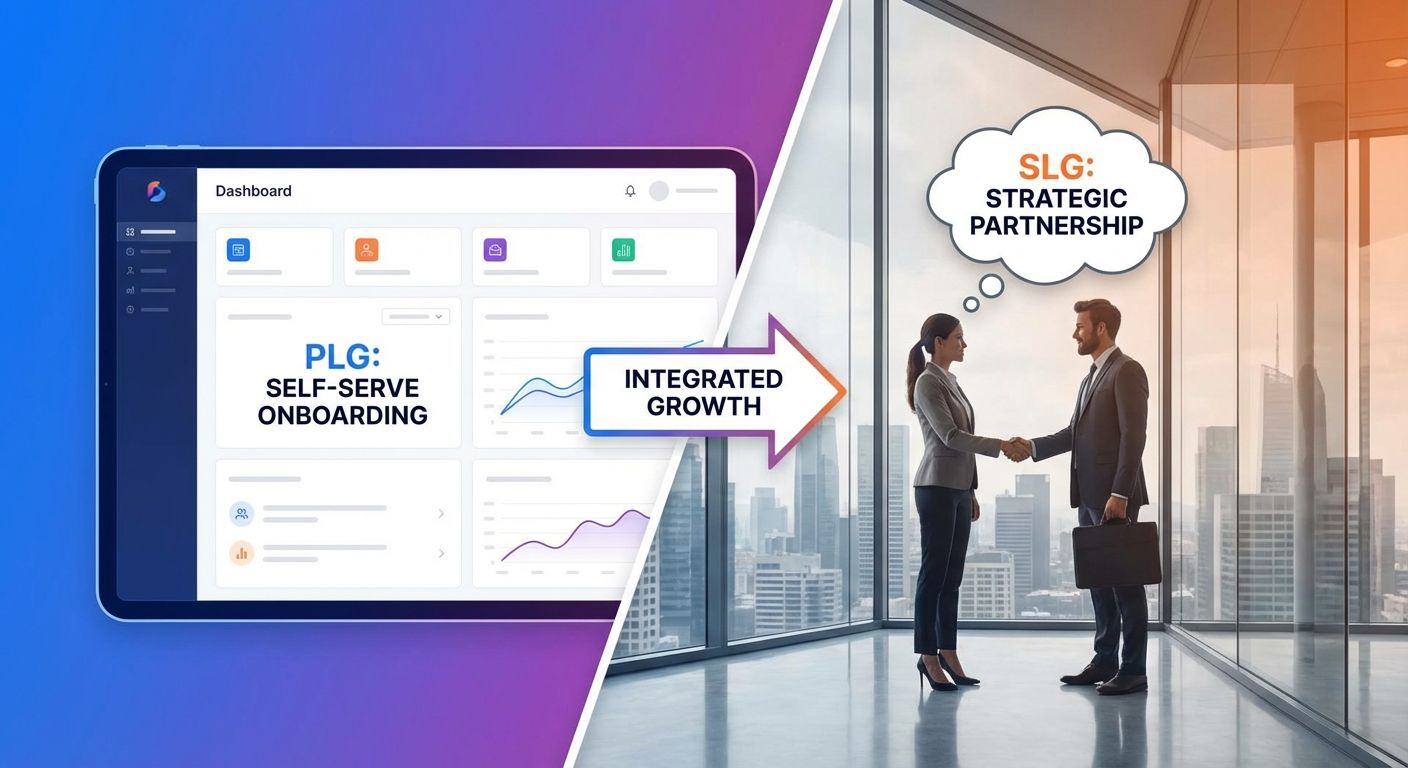
These industry leaders leverage self-serve, freemium tiers to aggressively acquire end-users. Simultaneously, they deploy sophisticated enterprise sales teams equipped with product usage data to convert these high-engagement accounts into massive, organization-wide deployments.
Key Elements of a Hybrid B2B Strategy
- Frictionless transition mechanisms from self-serve product environments to complex enterprise tiers.
- Behavioral analytics triggers that instantly alert sales representatives when a PLG account reaches enterprise-level scale.
- Customized onboarding and customer success experiences driven entirely by initial user interaction data.
International Expansion: Tailoring the Strategy
To truly scale and dominate the B2B SaaS space in 2026, brands must meticulously localize their go-to-market strategies for key regions:
- United States: Focus heavily on seamless tech-stack integrations, rapid deployment times, and highly quantifiable ROI.
- Europe: Prioritize absolute data privacy transparency, localized customer support hubs, and flexible pricing models.
- MENA Region: Capitalize on rapid digital transformation initiatives by offering robust localized partnerships, sovereign cloud hosting, and native Arabic-first user experiences.
Final Thoughts for B2B SaaS Leaders
The strategic roadmap for 2026 leaves no room for outdated tactics. To secure your position as a market leader, your organization must leverage AI intelligently, champion security as a core value proposition, and seamlessly blend product-led adoption with enterprise sales execution.